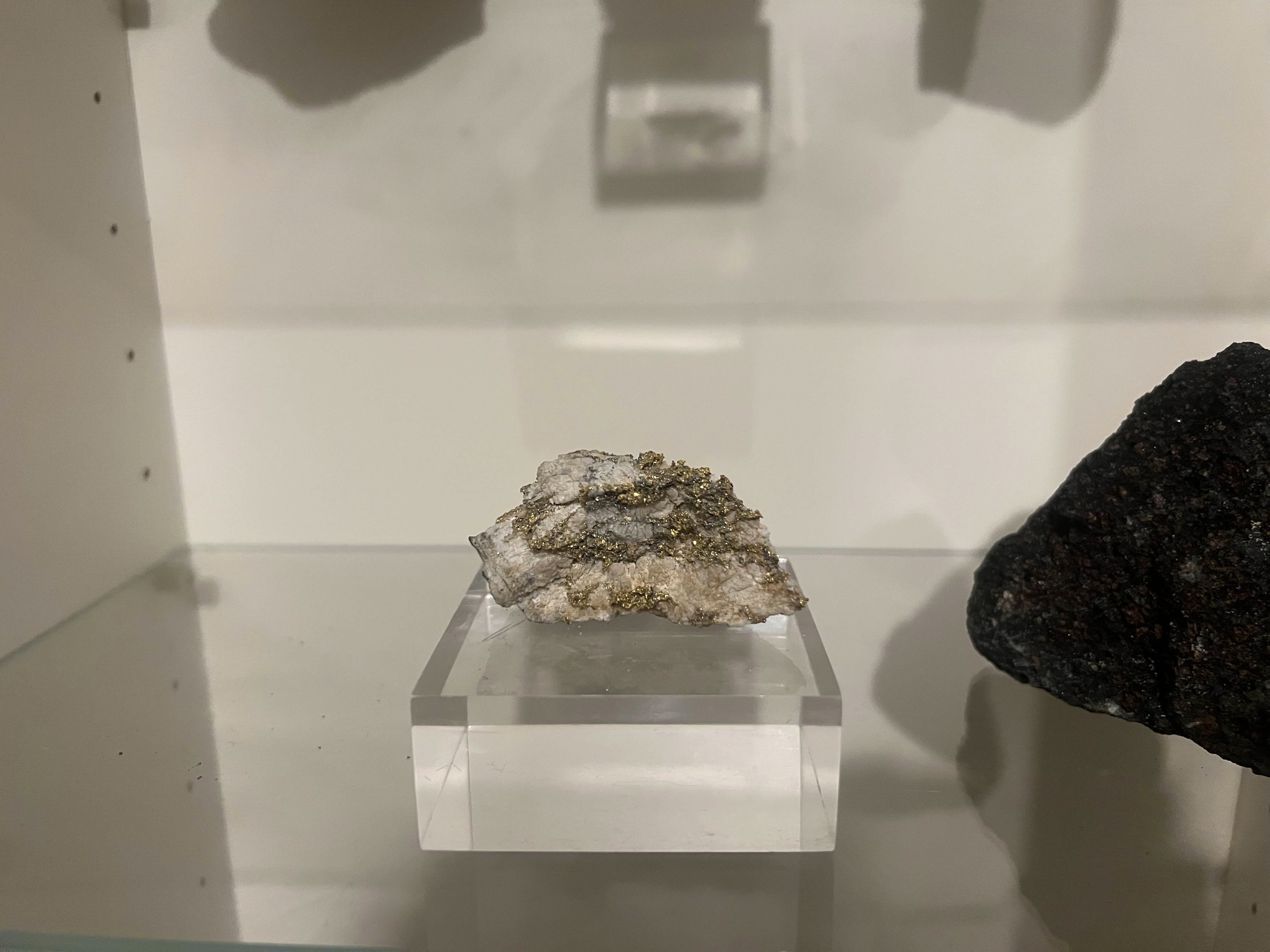
Gold assets with historic grades ranging from of 2-25 g/t Au



Overview
Mineral Holding AS holds exploration licenses for several Norwegian gold regions that have historically been mined for their high-grade systems. These systems are reported to have a high nugget effect or gold occurring in fine-grains, both making it hard to quantify exact amounts and grades present with drilling alone. However the historic production numbers are notable, with several kg produced from the rich veins. Mineral Holding AS are therefore currently investigating the available data to determine whether or not the deposits could possibly be test mined in a smaller scale.
Highlights
Bleka
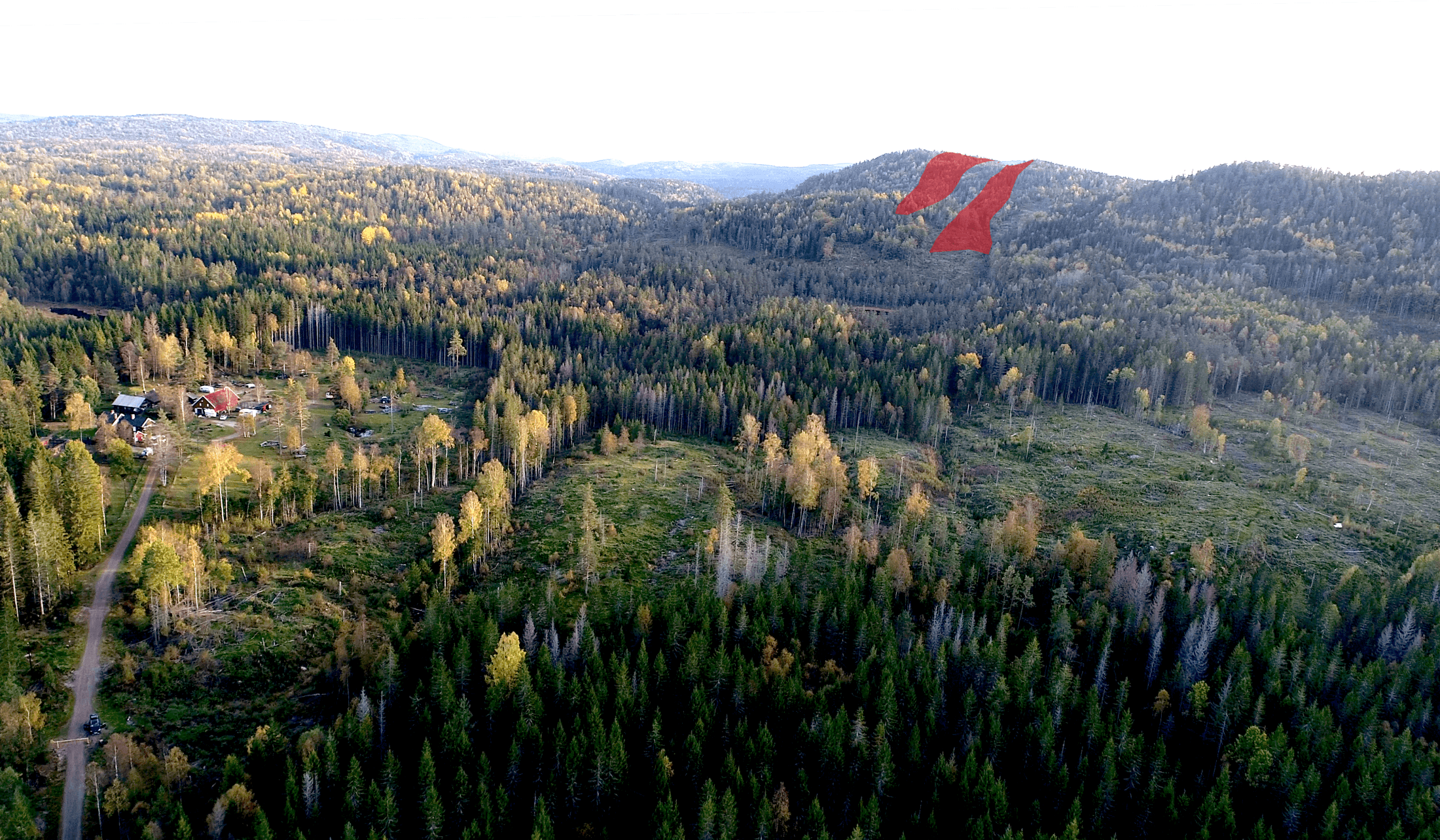
Narrow 25cm quartz-veins with historic grades reported at ~25g/t Au, ~45g/t Ag, ~0.4% Bi and ~1.5% Cu.
Reported to have produced 200 kg gold from 1870-1900.
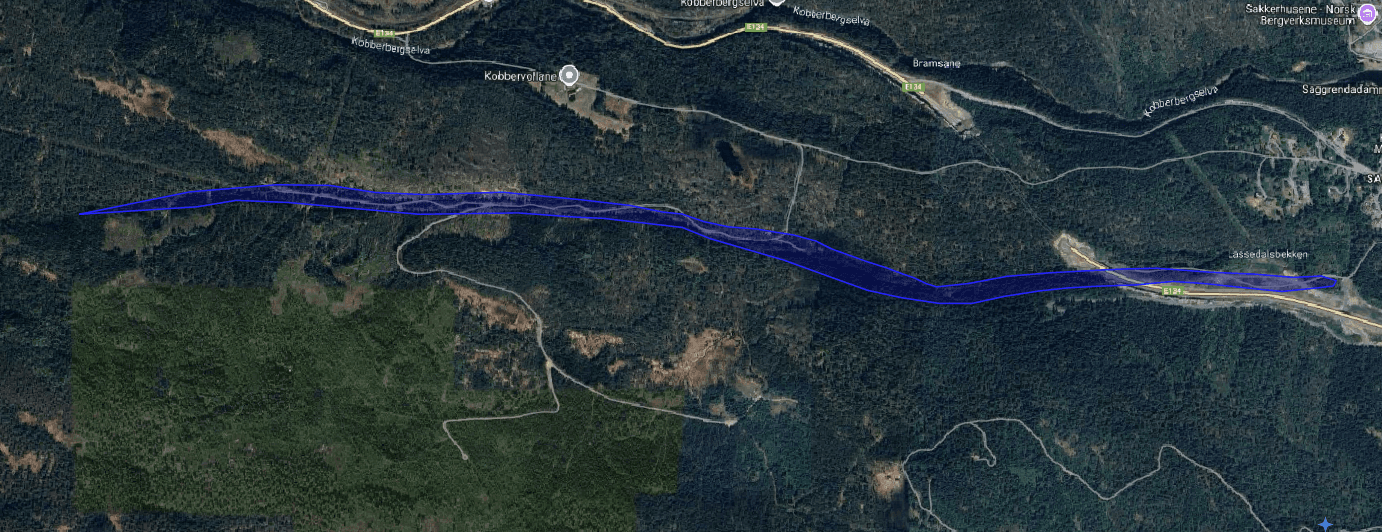
Area contains multiple veins that are underexplored.
Area has been drilled, however possibly due to high nugget effect, a satisfactory grade was not located.
Eidsvoll
Total production of 150 kg periodically between 1758 to 1908.
The record year 1902 yielded 50 kg gold.
Grades range from 2-15 g/t Au with locally up to 137g/t, and the gold is by characteristic less visible even at high grade.
Bindal & Bømlo
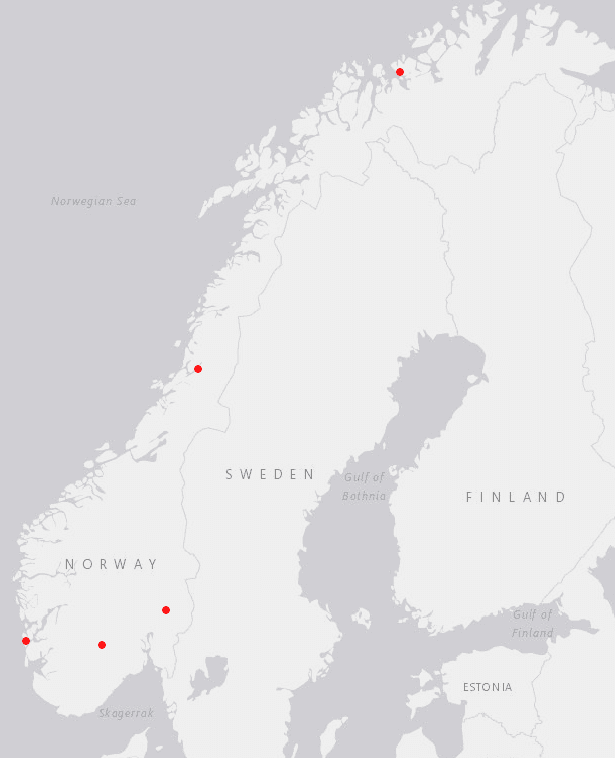
Though in area-competition with other exploration companies, Mineral Holding believes we hold interesting underexplored gold targets in these regions.
Potential for joint gold ventures to mitigate risk through collaboration.
Geological Setting
Most of the gold deposits in this portfolio are interpreted as high-grade orogenic quartz vein systems. The gold deposition occurred from low to moderate salinity, moderate temperature, CO2-rich hydrothermal fluids that circulated through fault zones and shear structures. Such geological environments are commonly associated with greenstone belts or metamorphic terranes, where compressional tectonics focus fluid along crustal-scale shear systems. Orogenic gold systems often have vertical continuity, structurally controlled high-grade shoots and strong association with quartz veining, making them important contributors to global lode gold resources.
Location and infrastructure
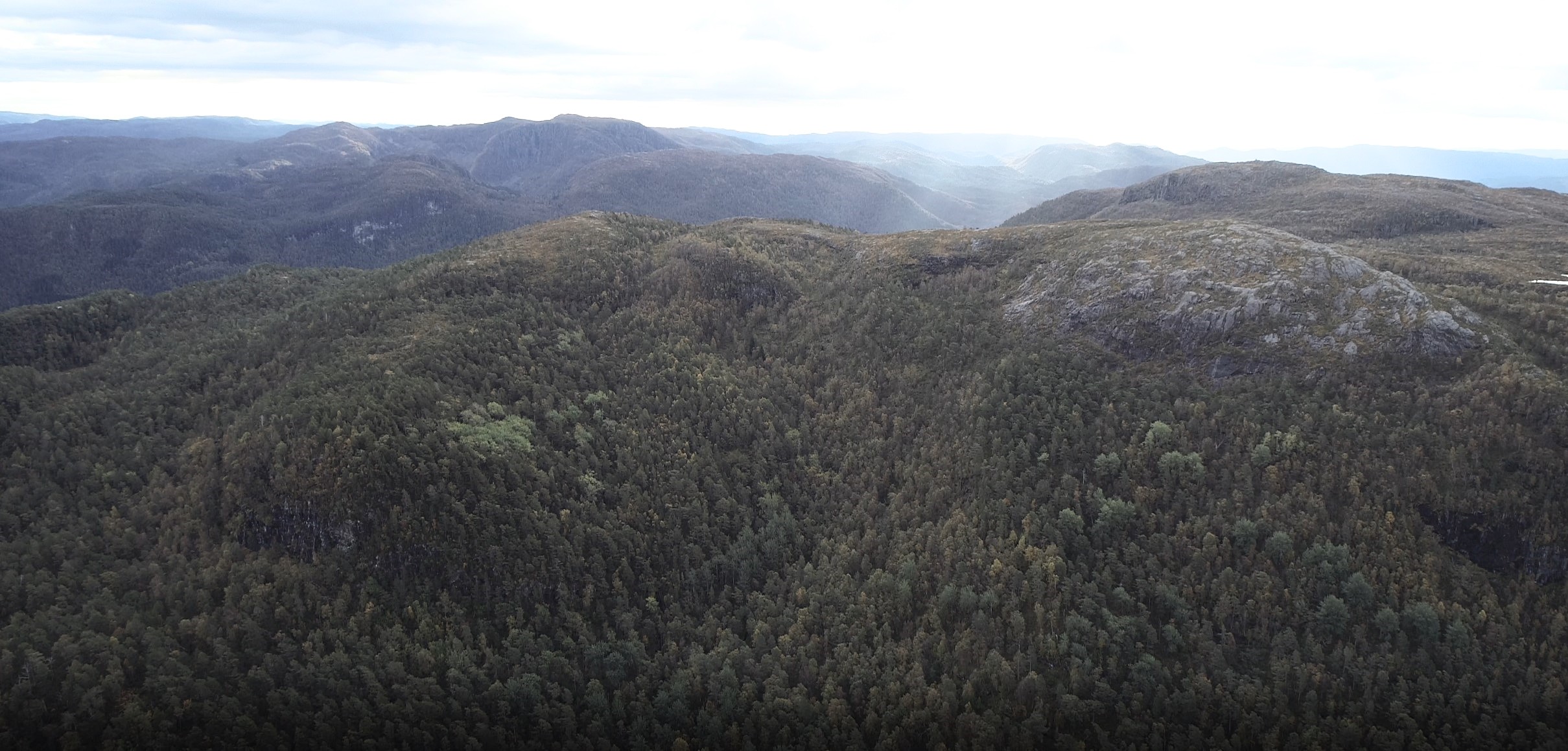
Mineral Holding AS holds licenses for 3 out of the 4 gold mines that have historically been operated in Norway. These mines are in the gold regions of Bleka and Eidsvoll in eastern Norway, and Bømlo in western Norway.
All of the locations have good available infrastructure with everything needed to support small scale operations. A required license to test-mine can be granted by the Norwegian Directorate of Mining once a reasonable plan is in place.
Mineralogy and Metallurgy
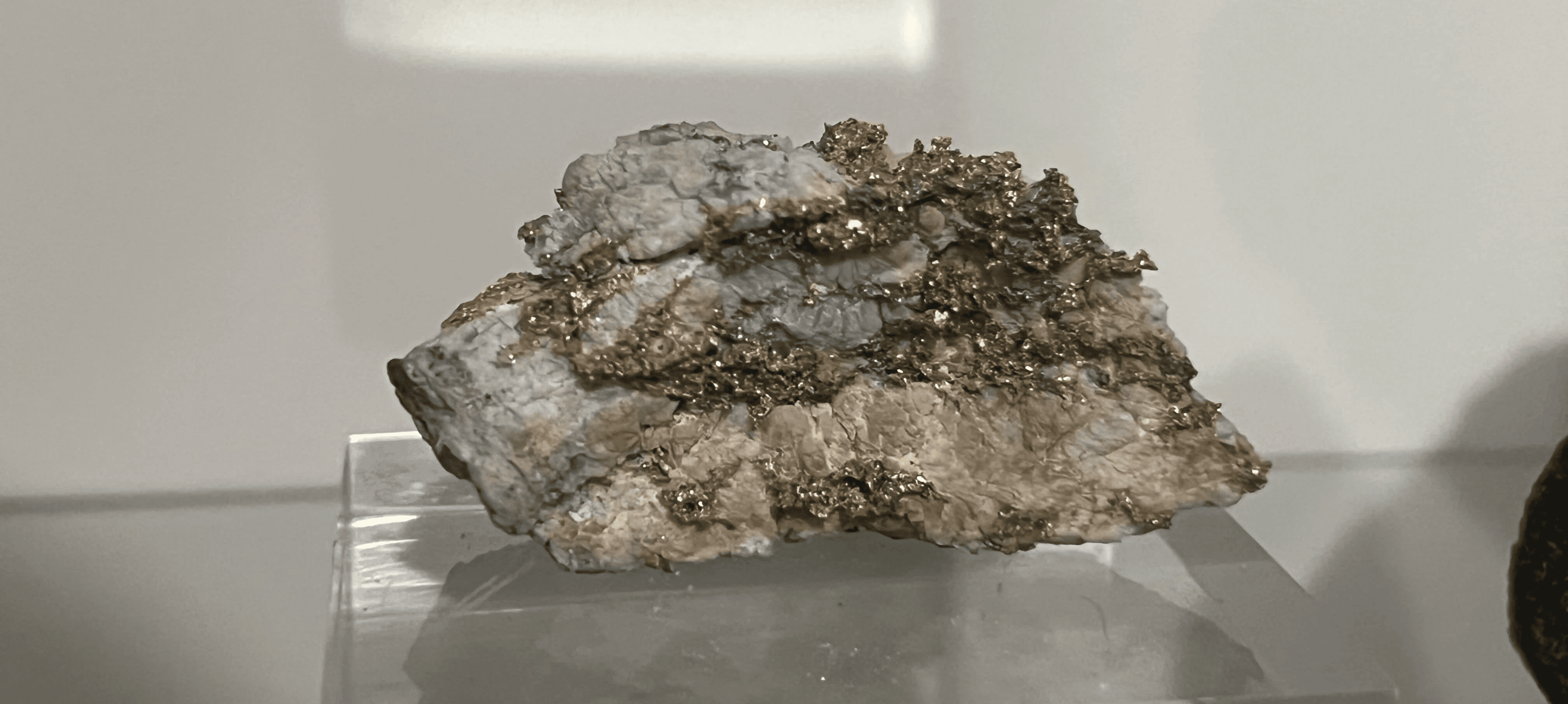
The deposits vary in mineralogy and grade, but are all rich in gold with some having interesting amounts of silver, cobber and bismuth in addition. Orogenic quartz vein-hosted gold systems of these types generally have good metallurgical characteristics, supported by the historic mining activities in the areas. Conventional processing methods such as crushing, grinding, gravity separation and cyanide leaching area typically effective, especially for the deposits with coarser gold.
Conducted and future work
Mineral Holding are looking to draft suitable methods for exploration on these assets during 2026. Due to it being reported an "extreme nugget effect" for multiple targets it will be crucial to find cost-effective methods to gather representative results.
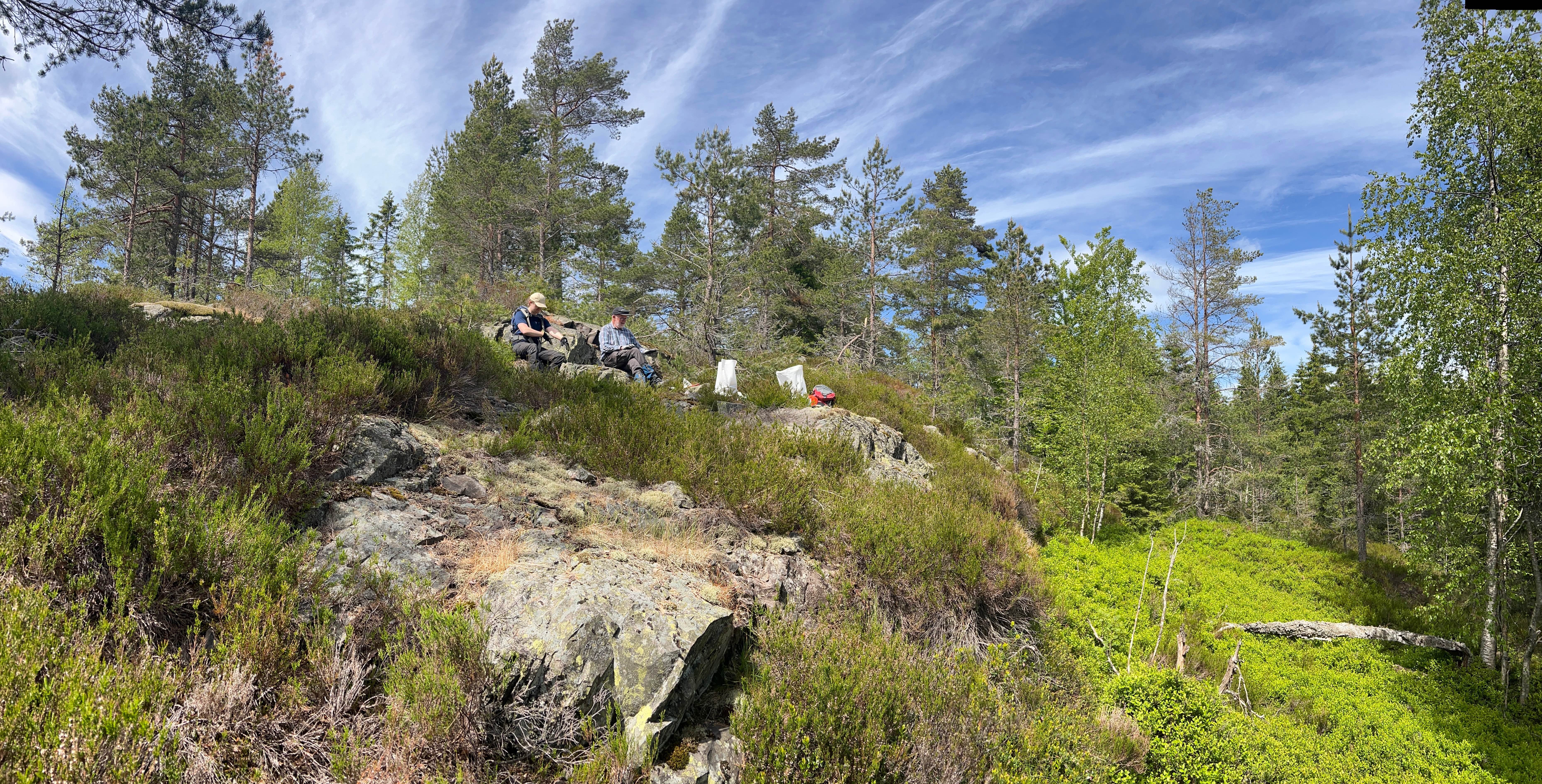
The current plan is to spend time in the field to study the overall structure of the gold complexes. Mineral Holding will also attempt to closer map the suggested continuations and look into the application for a test-mine license if any economically interesting finds are located.
 Download
" width="24.31937735916941px"><path d="M 0 22 L 0 0 L 24.316 0 L 24.316 22 Z" fill="transparent" height="22px" id="U2lEOjR2L" width="24.315789473684212px"/><path d="M 3.468 3.468 L 3.468 0 L 0 0 L 0 3.468 Z" fill="rgb(255, 255, 255)" height="3.468323157894737px" id="cPFCz9nRc" transform="translate(20.851 9.267)" width="3.4682421052631582px"/><path d="M 3.468 3.468 L 3.468 0 L 0 0 L 0 3.468 Z" fill="rgb(255, 255, 255)" height="3.4682884210526304px" id="rsalTtJnk" transform="translate(17.386 5.785)" width="3.4682421052631582px"/><path d="M 3.468 3.468 L 3.468 0 L 0 0 L 0 3.468 Z" fill="rgb(255, 255, 255)" height="3.4682884210526304px" id="CeBjaC55X" transform="translate(13.913 2.317)" width="3.4682421052631565px"/><path d="M 3.468 3.468 L 3.468 0 L 0 0 L 0 3.468 Z" fill="rgb(255, 255, 255)" height="3.4683578947368456px" id="be9uhVYEy" transform="translate(17.386 12.735)" width="3.4682421052631582px"/><path d="M 17.369 3.468 L 17.369 0 L 0 0 L 0 3.468 Z" fill="rgb(255, 255, 255)" height="3.468323157894737px" id="y2GpWdvPH" transform="translate(0.005 9.267)" width="17.368529605263163px"/><path d="M 3.468 3.468 L 3.468 0 L 0 0 L 0 3.468 Z" fill="rgb(255, 255, 255)" height="3.4682421052631582px" id="YFdmK_uiG" transform="translate(13.913 16.216)" width="3.4682421052631565px"/></g></svg>)