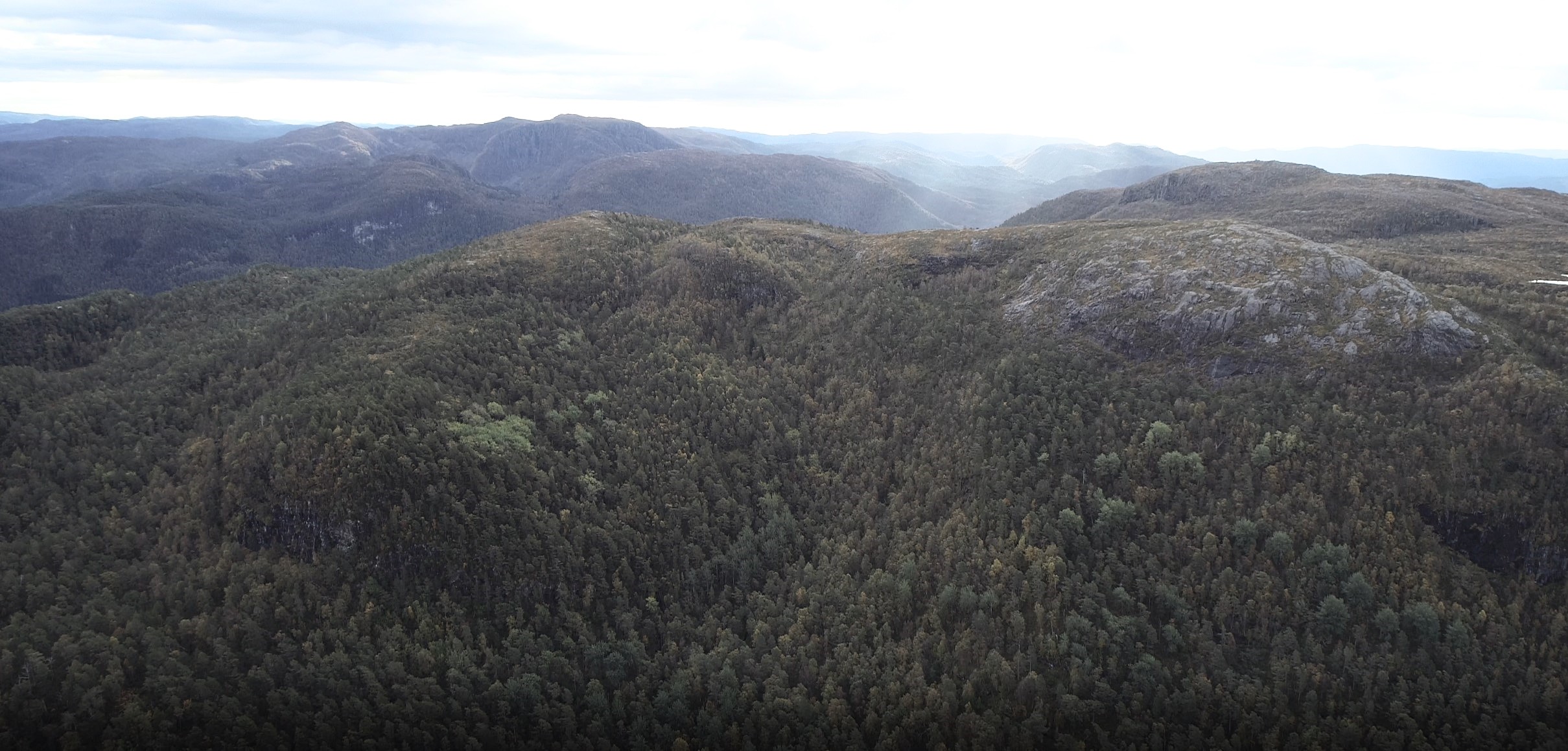
~45-60+ Mt @ 3%+ rutile and 25-30% garnet



Overview
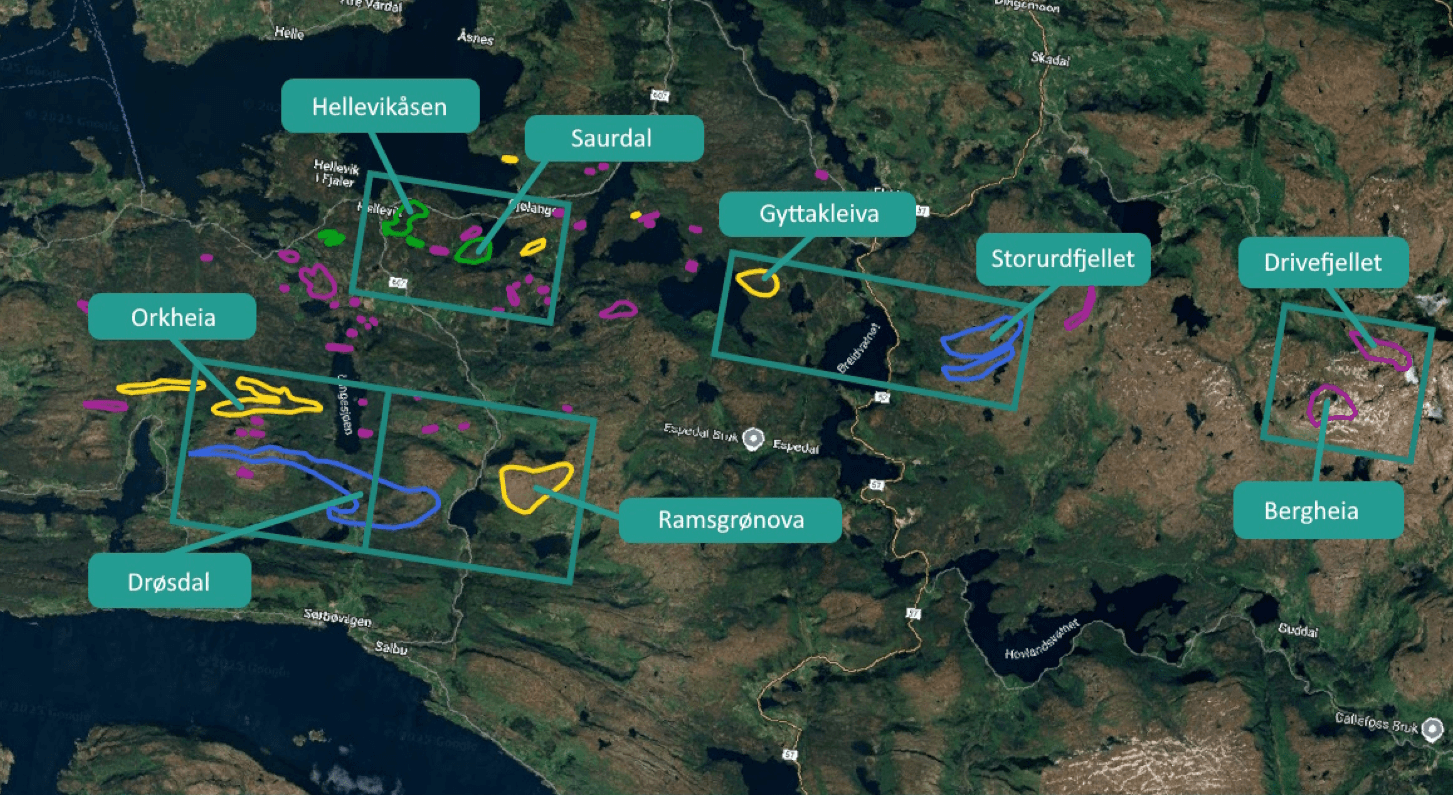
The Dalsfjord region contains several medium to large rutile-garnet occurrences, where the most notable are the Ramsgrønova and Orkheia deposits. These deposits combined are estimated to contain more than 45 Mt of ore grading above 3%+ rutile (TiO₂) and 20–30% garnet with additional lower grade ore available. Though geologically similar, but smaller than the operating Engebøfjellet rutile-garnet deposit nearby, the Ramsgrønova and Orkheia deposits have a far coarser grain size offering possibilities for a parallel production with better product quality and mineral recovery.
Historical reports also suggest that this underexplored area have considerable potential for additional discoveries using airborne gravimetrical surveys. Mineral Holding will therefore evaluate the economic potential of the region in more detail during the exploration program in 2026.
Highlights
Ramsgrønova
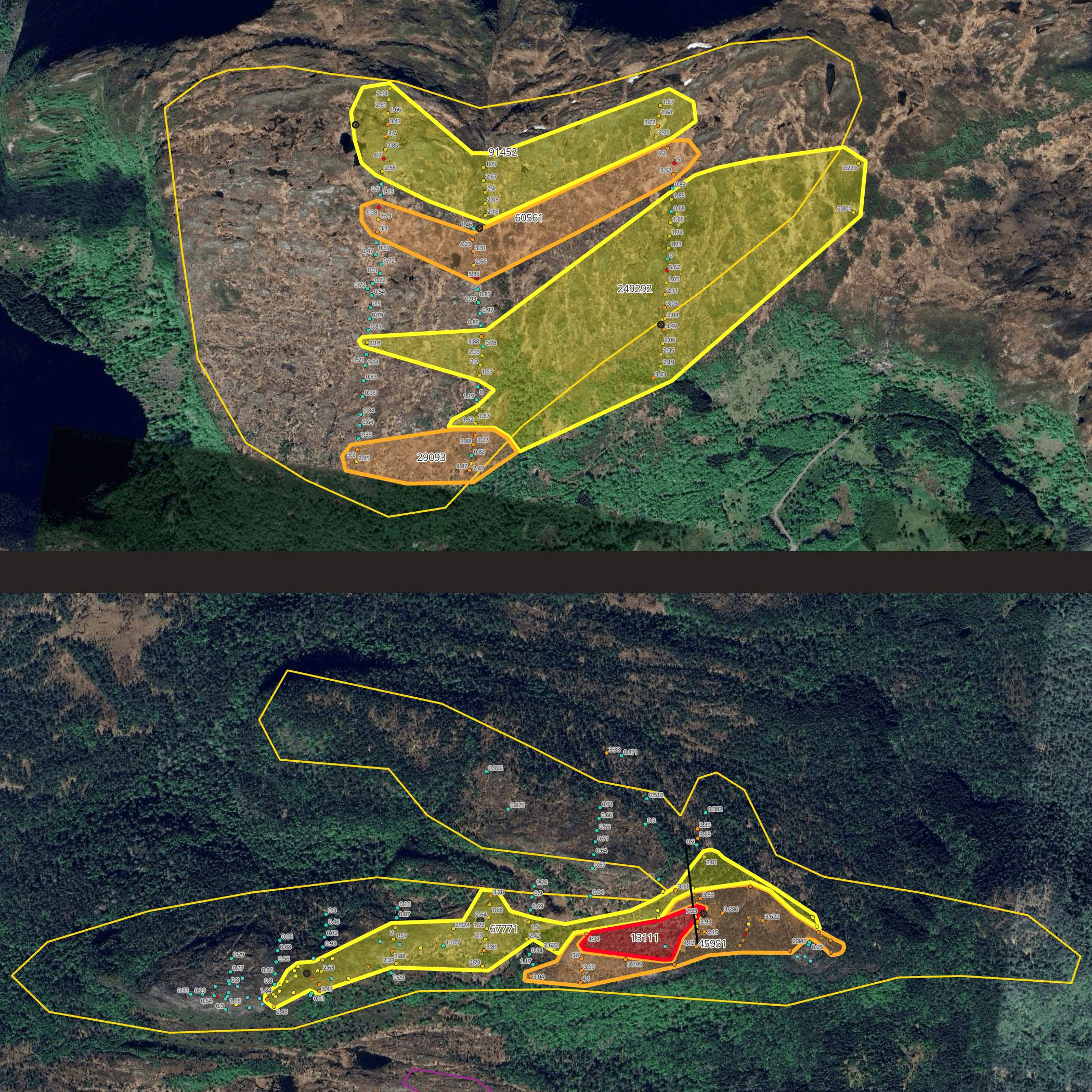
Historically estimated at 20–30 Mt of ore grading ≥3% TiO₂ and 25–30% garnet.
Good metallurgical qualities with <1 ppm uranium, >90% rutile-to-ilmenite ratio, and 250-300 μm median grain size.
Total eclogite sheet of ~100 Mt offers expansion potential if lower rutile cut-off proves economical, potentially supported by a previously unassessed garnet by-product or higher commodity price.
Orkheia
Estimated to contain 25–30 Mt of ore at ≥3% TiO₂ and 25–30% garnet.
Similar metallurgical quality to Ramsgrønova, with grain size of 200-250 μm.
This folded eclogite sheet with ~80 Mt also has possibilities for expansion if a lower suitable rutile cut-off proves economical.
Other eclogites-types
The Dalsfjord area also contains other eclogite-types of interest which will be investigated by Mineral Holding AS.
Some of these are possibly economical kyanite-garnet deposits and other rutile-garnet deposits which appear larger, but retrograded to a lower 40% rutile to ilmenite ratio.
Geological Setting
The deposits are geologically located in the Dalsfjord region, which is a subdivision of the larger Western Gneiss Region. This gneiss region stretches from Bergen to Trondheim and formed several bodies of eclogite that occur as lenses or sheets within the surrounding gneisses. The formation of these eclogites happened under extreme conditions in the Earth's crust, where high pressure and temperature transformed gabbroic and basaltic rocks into eclogite. This change took place around 420-400 million years ago in the Caledonian orogeny. Some of the deposits like Orkheia and Ramsgrønova have been well preserved, while others have partly retrograded resulting in a lower rutile to ilmenite ratio.
Location and infrastructure
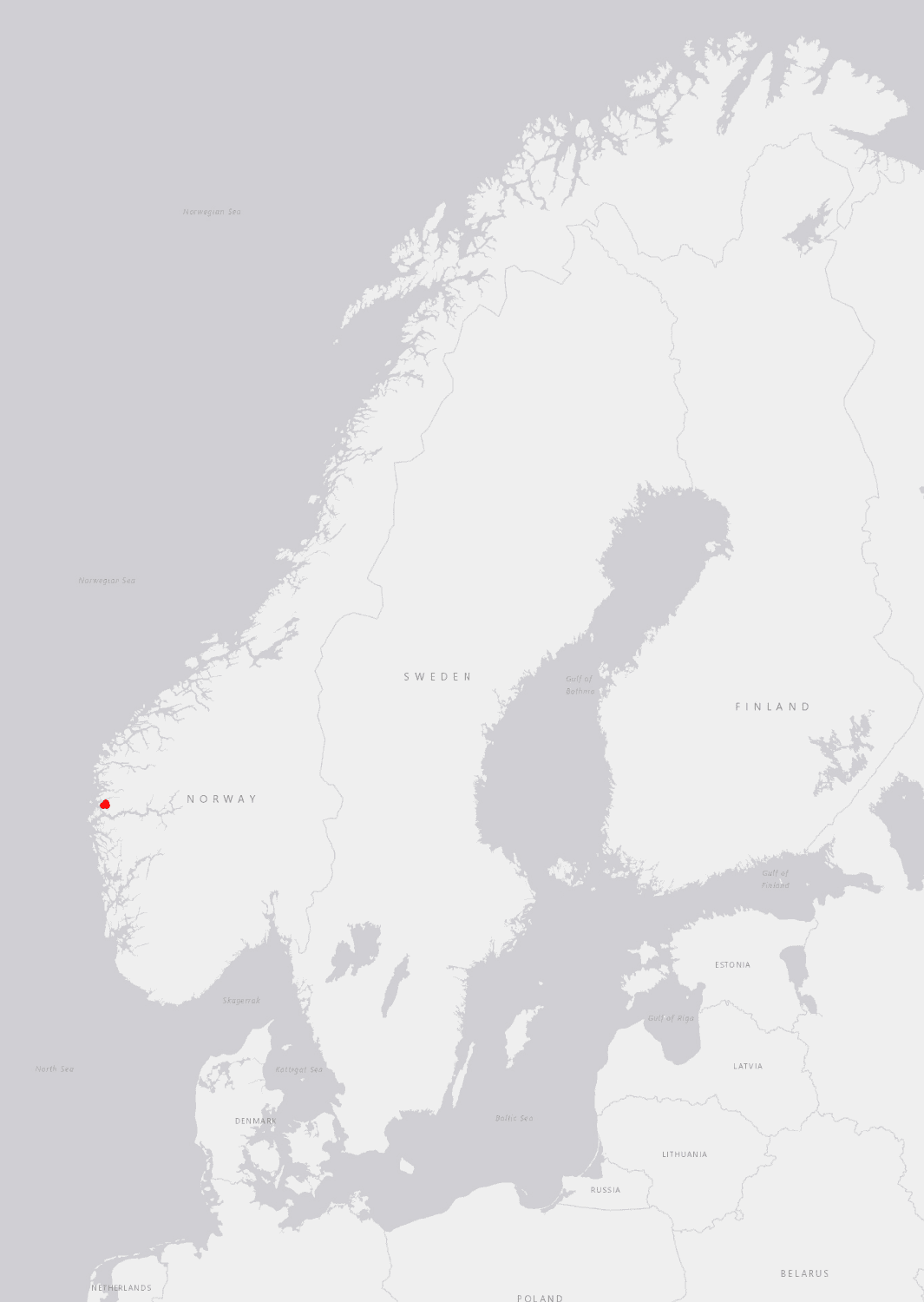
The eclogite bodies of primary interest are located in the municipality of Hyllestad, however the neighboring municipalities of Fjaler and Sunnfjord include other types or unidentified deposits of secondary interest. All deposits are in the broader Vestland County in western Norway.
The area of interest, including Orkheia and Ramsgrønova, lie between Dalsfjorden and Åfjorden, which both connect to the Atlantic Ocean offering good shipping possibilities.
Mineral Holding AS has been granted 100% license ownership by the Norwegian Directorate of Mining over the region, where the deposit names have been derived from the historical geological reports available through NGU.
Mineralogy and Metallurgy
Ramsgrønova and Orkheia have favorable mineralogical characteristics for rutile extraction, with more than ≥90% of the TiO₂ content occurring as rutile. In addition the deposits include a potentially contributing byproduct of 25–30% garnet with a good grain size distribution, but currently of unknown quality. The remaining rock is mainly composed of amphibole and pyroxene and it is not believed to impact the quality of the final products. Uranium content in these deposits are exceptionally low (<1 ppm), making these deposits particularly attractive for producing safe concentrates for the TiO₂ pigment industry.
The median rutile grain size for Ramsgrønova is approximately 250-300 μm and 200-250 μm for Orkheia, while the operating Engebøfjellet deposit has a reported of 100 μm. Due the correlation between grain size and grain volume being cubed (x³), the difference in grain volume is 8-27 times, which can have a positive impact on the expected yield and product quality.
Conducted and future work
Mineral Holding AS has designated the Dalsfjord region as one of its core exploration targets for development. By analyzing and comparing data with the already operated rutile-garnet mine, we believe this region offers good potential for future eventual production, either as a preferred parallel production or in slight overlapping competition.
Mineral Holding AS first impression of the project was from joining REE Mining AS field trip in autumn 2025, where small drill-dust samples were collected alongside the landowner to validate the historic data and create preliminary grade maps.
As of 2026, Mineral Holding AS, has obtained 100% ownership of the Dalsfjord licenses and are looking to conduct a further exploration program. The planned activities include drill-dust sampling, drone-based surveys and possibly channel sampling. If results are fast and prove encouraging, a core drilling campaign could take place in late 2026 or 2027.
The current primary objectives are to expand the resource base, closer investigate the mineral quality and fill the theoretical model.
Public documents
 Download
" width="24.31937735916941px"><path d="M 0 22 L 0 0 L 24.316 0 L 24.316 22 Z" fill="transparent" height="22px" id="U2lEOjR2L" width="24.315789473684212px"/><path d="M 3.468 3.468 L 3.468 0 L 0 0 L 0 3.468 Z" fill="rgb(255, 255, 255)" height="3.468323157894737px" id="cPFCz9nRc" transform="translate(20.851 9.267)" width="3.4682421052631582px"/><path d="M 3.468 3.468 L 3.468 0 L 0 0 L 0 3.468 Z" fill="rgb(255, 255, 255)" height="3.4682884210526304px" id="rsalTtJnk" transform="translate(17.386 5.785)" width="3.4682421052631582px"/><path d="M 3.468 3.468 L 3.468 0 L 0 0 L 0 3.468 Z" fill="rgb(255, 255, 255)" height="3.4682884210526304px" id="CeBjaC55X" transform="translate(13.913 2.317)" width="3.4682421052631565px"/><path d="M 3.468 3.468 L 3.468 0 L 0 0 L 0 3.468 Z" fill="rgb(255, 255, 255)" height="3.4683578947368456px" id="be9uhVYEy" transform="translate(17.386 12.735)" width="3.4682421052631582px"/><path d="M 17.369 3.468 L 17.369 0 L 0 0 L 0 3.468 Z" fill="rgb(255, 255, 255)" height="3.468323157894737px" id="y2GpWdvPH" transform="translate(0.005 9.267)" width="17.368529605263163px"/><path d="M 3.468 3.468 L 3.468 0 L 0 0 L 0 3.468 Z" fill="rgb(255, 255, 255)" height="3.4682421052631582px" id="YFdmK_uiG" transform="translate(13.913 16.216)" width="3.4682421052631565px"/></g></svg>)
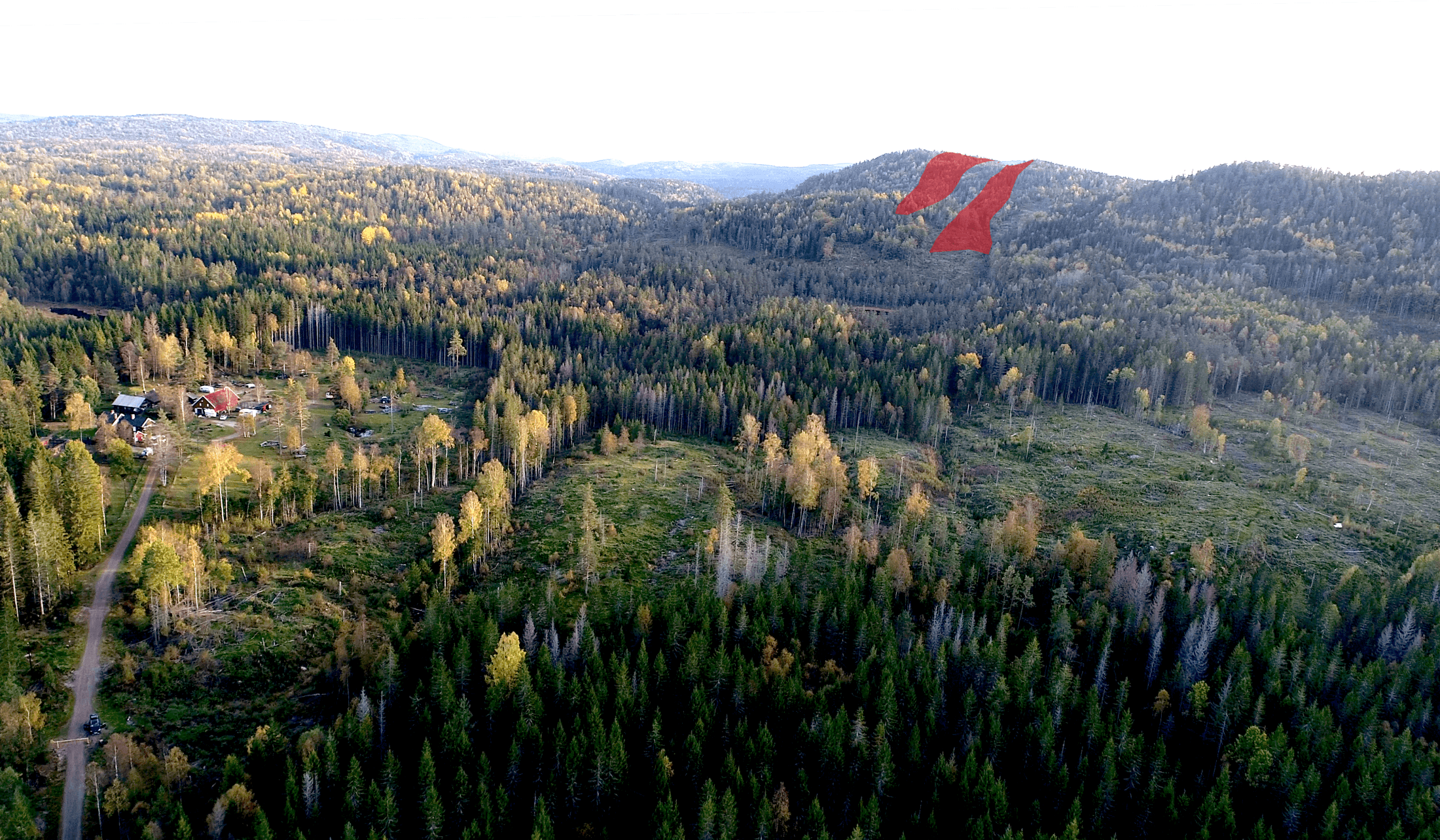
The Sæteråsen Project
Location
Larvik, Eastern Norway
Deposit
~8 Mt @ 0.245% Nb, 1.2% Zr and 0.55% TREO


Gold projects
Location
Bleka, Eidsvoll and Reinfjord
Deposit
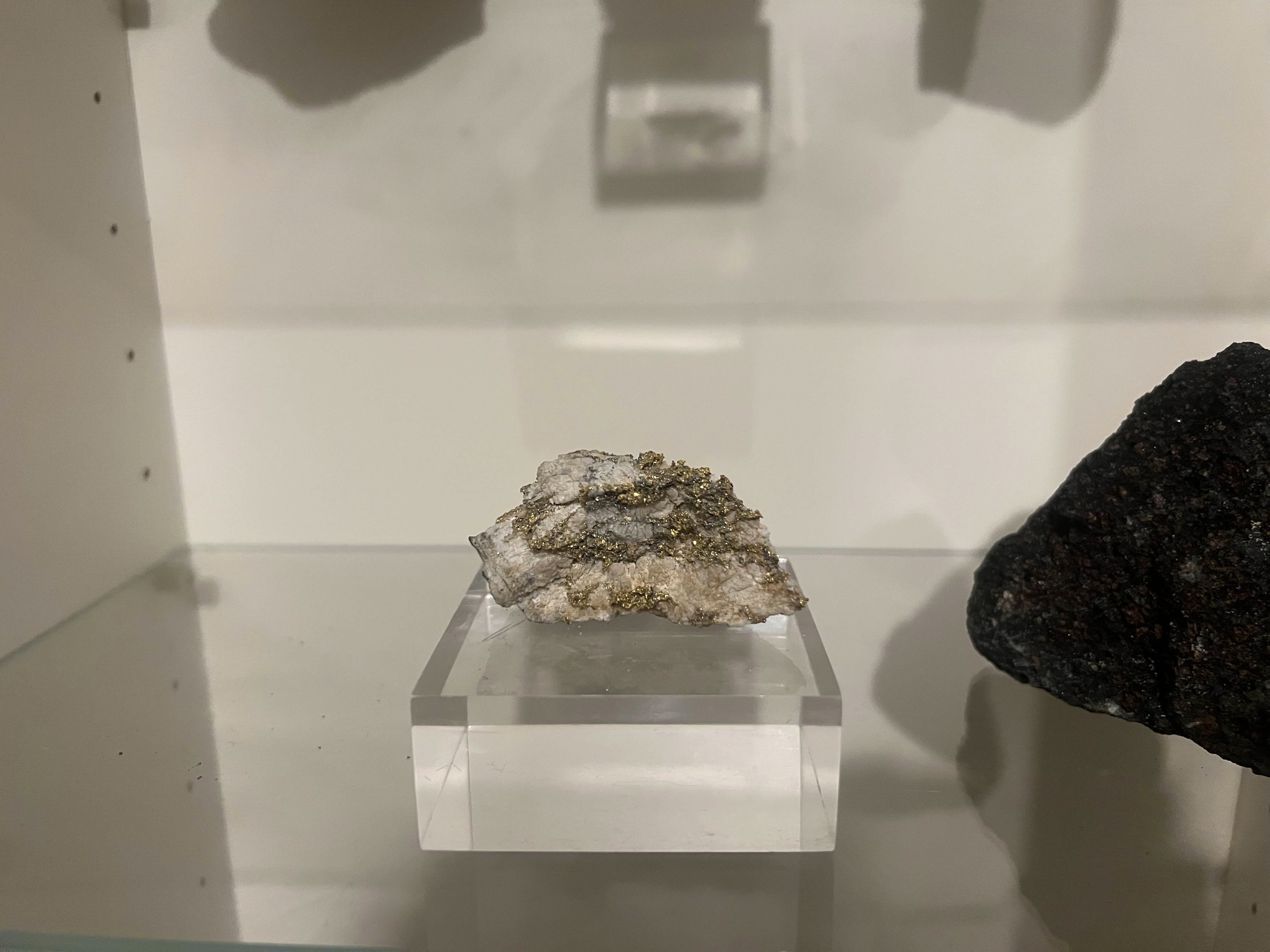
Gold assets with historic grades ranging from of 2-25 g/t Au



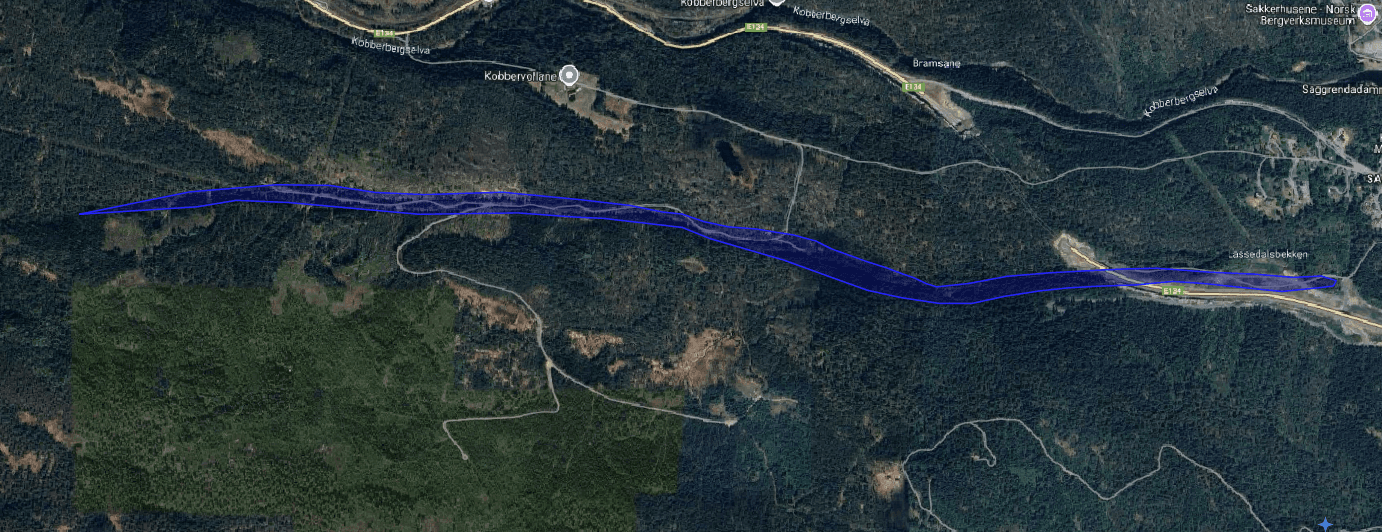
Lassedalen
Location
Kongsberg, Southern Norway
Deposit
4 Mt @ 24.6% CaF2 (JORC compliant)